The Diverse Uses of Aluminum Casting in Various Industries and Their Effect On Innovation
Aluminum casting works as a basic process throughout numerous industries, affecting design and production approaches. Its corrosion-resistant and lightweight characteristics improve efficiency in vehicle and aerospace applications. Furthermore, it facilitates innovative customer goods and progressed electronics. The convenience of aluminum is additionally apparent in construction and facilities projects. As markets develop, the implications of aluminum casting on future technologies necessitate closer evaluation (Precision aluminum casting). What innovations exist in advance in this dynamic area?
Automotive Market: Enhancing Efficiency and Efficiency
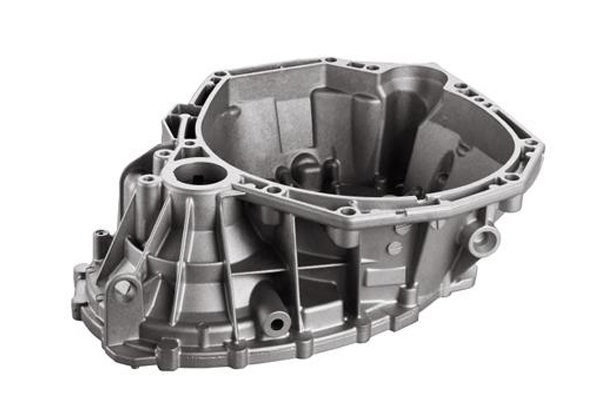
The automobile market progressively accepts aluminum casting to enhance both efficiency and effectiveness in automobile manufacturing. This change is driven by aluminum's light-weight properties, which add to boosted gas effectiveness and reduced discharges. By substituting much heavier products with aluminum elements, makers attain considerable weight decreases, helping in the general style of contemporary lorries.
Aluminum casting enables for intricate styles that can optimize aerodynamics, even more improving efficiency. The ability to produce complicated components in a single casting procedure decreases the requirement for numerous parts, enhancing assembly and decreasing manufacturing costs.
On top of that, aluminum's resistance to rust expands the life expectancy of vehicle components, offering lasting reliability for consumers. As the auto market continues to progress, the combination of aluminum casting innovation becomes a crucial approach for makers aiming to satisfy both regulatory criteria and customer expectations for sustainable, high-performance lorries.
Aerospace Applications: Lightweight Solutions for Advanced Design
In aerospace design, aluminum casting plays an essential role in developing light-weight elements that boost total efficiency. By focusing on weight reduction methods, makers can enhance architectural stability and gas effectiveness. This technique not just meets the demands of modern air travel but additionally sustains sustainability objectives in the market.
Weight Reduction Approaches
A substantial emphasis on weight decrease has ended up being a foundation in aerospace design, where every ounce counts toward enhancing gas performance and general efficiency. Aluminum casting plays a critical role in attaining these weight decrease strategies. By using sophisticated alloys and enhanced casting techniques, manufacturers can generate light-weight elements without compromising strength. Style developments, such as lattice structures and hollow areas, better reduce weight while preserving capability. The combination of computer-aided design (CAD) allows engineers to replicate and evaluate different layouts, making certain one of the most effective use materials. In addition, using aluminum's excellent strength-to-weight proportion makes it possible for the development of lighter airplane, contributing to reduced functional costs and minimized ecological influence. These strategies highlight the value of aluminum casting in contemporary aerospace applications.
Structural Stability Enhancements
Structural stability stays an important emphasis in aerospace engineering, especially as the need for lightweight solutions escalates. Aluminum casting deals unique benefits in enhancing structural stability without jeopardizing weight. Advanced casting techniques allow for the production of complicated geometries, making sure ideal strength-to-weight proportions. Because of this, parts such as aircraft structures, engine installs, and assistance structures gain from the inherent toughness of aluminum while keeping lighter configurations. Additionally, the material's resistance to rust even more boosts longevity and performance sought after aerospace environments. These innovations not only enhance the resilience of aerospace parts yet likewise assist in the integration of advanced designs, inevitably driving onward the sector's commitment to safety and security and performance. Aluminum casting subsequently plays a pivotal role in developing aerospace engineering requirements.
Fuel Performance Improvements
While the aerospace industry progressively prioritizes fuel efficiency, aluminum casting emerges as a principal in attaining this goal with lightweight solutions. By utilizing aluminum's low density and high strength-to-weight proportion, manufacturers can markedly decrease airplane weight, bring about reduced gas usage. Components such as engine mounts, fuselage structures, and wing structures profit from aluminum casting strategies, permitting intricate designs that maintain architectural honesty while lessening mass. This reduction in weight not just improves gas effectiveness however additionally lowers greenhouse gas exhausts, aligning with global sustainability goals. As aerospace technology advances, the role of aluminum casting in producing ingenious, lightweight elements will continue to be crucial, driving more improvements in performance and performance across the field.
Customer Product: Innovative Styles and Sustainability
Using aluminum casting in consumer items presents substantial advantages, including its environmentally friendly product homes that align with sustainability objectives. This flexibility permits distinct layout possibilities that can boost product allure and capability. Furthermore, cost-effective production approaches make aluminum an appealing choice for producers intending to stabilize quality with cost.
Environment-friendly Product Benefits
Environment-friendly products, especially in the domain name of aluminum casting, are transforming durable goods through cutting-edge layouts that focus on sustainability. The lightweight nature of aluminum boosts product performance, minimizing energy consumption throughout transportation and use. In addition, aluminum's recyclability substantially minimizes waste, permitting manufacturers to adopt circular economic situation concepts. By choosing aluminum casting, companies can produce resilient items that preserve aesthetic worth while being eco responsible. This commitment to sustainability frequently resonates with consumers, influencing their getting decisions and fostering brand name commitment. As markets incorporate eco-friendly methods, aluminum casting arises as a crucial gamer in minimizing carbon impacts, showing that lasting materials can at the same time fulfill customer demands for development and environmental stewardship. Such innovations highlight the expanding importance of eco-conscious choices in today's market.
One-of-a-kind Layout Possibilities
Aluminum casting opens a domain of special style opportunities that satisfy both innovation and sustainability in durable goods. This functional process enables designers to create detailed forms and light-weight structures that are typically unreachable with traditional production methods. The fluidness of molten aluminum allows the manufacturing of complex geometries, which can enhance capability while keeping aesthetic charm. Furthermore, aluminum's recyclability contributes to sustainable layout methods, as items can be crafted with an emphasis on lifecycle monitoring. Developers utilize this versatility to generate aesthetically striking and ergonomic products, merging type and function flawlessly. As a result, aluminum casting not just cultivates creativity yet also lines up with modern-day customers' growing need for eco liable items.
Economical Production Approaches
Electronics Manufacturing: Precision Parts for Modern Devices
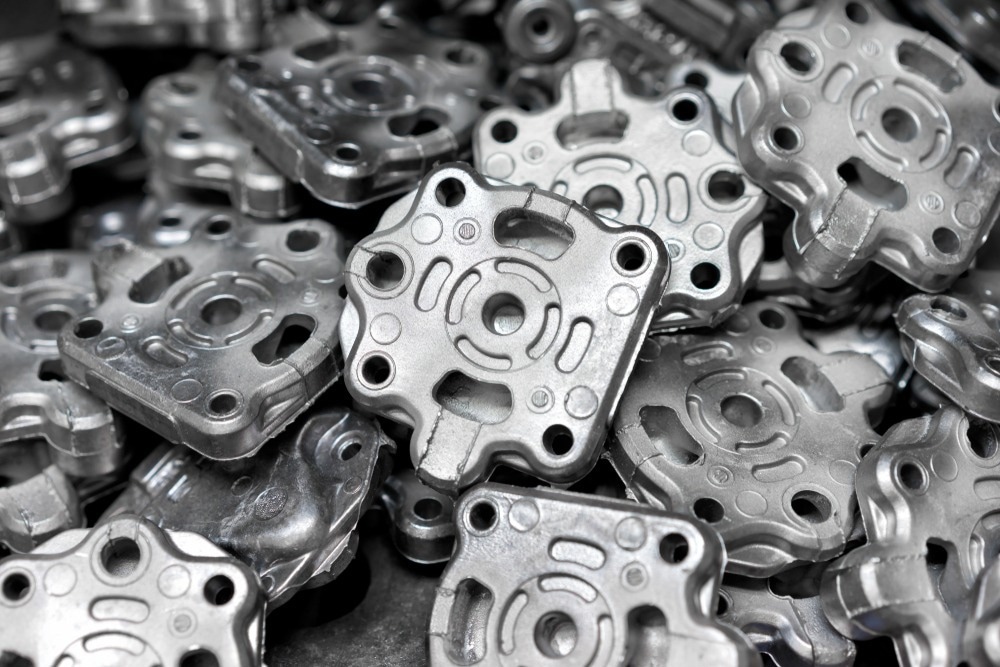
Progressing technology needs precise components that can stand up to the roughness of modern-day electronic devices. Aluminum casting plays an essential duty in electronics producing, offering light-weight yet long lasting parts crucial for devices such as laptop computers, mobile phones, and tablet computers. The unique residential properties of aluminum, consisting of outstanding sites thermal conductivity and resistance to corrosion, make it an ideal option for detailed rooms and warm sinks.
Makers utilize advanced casting techniques to achieve limited click here for more info resistances and complicated geometries, making sure that every element fits effortlessly within the gadget style. This precision not just enhances performance yet likewise adds to power performance, a crucial consider the layout of contemporary electronic devices.
Additionally, aluminum parts are recyclable, straightening with the industry's expanding focus on sustainability. As the demand for cutting-edge digital tools proceeds to increase, aluminum casting continues to be a keystone in the advancement of top notch, trusted, and eco-friendly electronic components, driving progression in the modern technology sector.
Building and construction and Facilities: Durable and Versatile Materials
In the construction and framework sectors, a varied range of materials is important for developing durable and functional frameworks. Aluminum casting has actually become a crucial component, supplying distinct advantages such as lightweight buildings, deterioration resistance, and simplicity of construction. Its ability to endure harsh environmental problems makes it a preferred selection for numerous applications, including bridges, facades, and building aspects.
Aluminum's recyclability lines up with sustainable building practices, adding to lowered environmental impact. The product can be easily molded right into complicated forms, allowing designers and designers to check out ingenious layouts without endangering structural integrity. In addition, the sturdiness of aluminum castings guarantees long life, reducing upkeep costs and boosting the lifespan of infrastructure jobs.
As urbanization remains to increase, the demand for trusted materials like aluminum casting is set to expand, even more solidifying its role beforehand building and construction methods and improving the overall high quality of infrastructure.
Arising Technologies: The Future of Aluminum Casting in Innovation
As sectors venture for better efficiency and sustainability, arising innovations are improving the landscape of aluminum casting. Technologies such as additive production, also understood as 3D printing, are revolutionizing conventional casting approaches. This modern technology permits the production of complicated geometries with minimized material waste, improving both performance and sustainability. Furthermore, improvements in computer-aided design (CAD) and simulation software application allow designers to maximize styles and predict casting outcomes a lot more properly, reducing flaws and manufacturing time.
Moreover, the combination of man-made knowledge (AI) in the casting process aids in real-time tracking and anticipating upkeep, ensuring top quality results and reducing downtime. These technologies not only streamline see post production but additionally add to the development of lighter, stronger aluminum elements that fulfill the needs of numerous sectors, from auto to aerospace. As these advancements remain to develop, they assure to enhance the flexibility and application of aluminum casting in the future.
Regularly Asked Questions
What Are the Environmental Impacts of Aluminum Casting Production?
Aluminum casting production can bring about considerable ecological influences, consisting of greenhouse gas discharges, power intake, and waste generation. Additionally, inappropriate disposal of byproducts and contaminants may harm neighborhood ecosystems and add to air and water air pollution.
How Does Aluminum Casting Contrast to Other Materials in Regards To Price?
Aluminum casting normally provides an affordable cost contrasted to materials like steel and titanium, especially because of its lightweight nature and simplicity of production. This price effectiveness makes it a preferred selection in several manufacturing fields.
What Safety And Security Actions Are Necessary During Aluminum Casting Processes?
Throughout aluminum casting procedures, necessary precaution consist of appropriate air flow, personal safety tools (PPE), training on tools operation, normal upkeep checks, and adherence to security methods to stop accidents and assure a risk-free workplace.
Can Aluminum Casting Be Recycled, and Exactly how?
Yes, aluminum casting can be reused. The procedure includes accumulating scrap aluminum, melting it down, and reforming it right into brand-new items. This lowers waste and preserves power, making aluminum recycling both ecologically pleasant and reliable.
What Are the Limitations of Aluminum Casting in Specific Applications?
Aluminum casting encounters restrictions including sensitivity to porosity, reduced stamina at heats, and problem in attaining elaborate designs. These elements can hinder its application in high-stress environments and precise engineering demands, impacting general performance.
Aluminum casting permits for elaborate layouts that can enhance aerodynamics, better improving efficiency. Parts such as engine mounts, body structures, and wing frameworks profit from aluminum casting methods, permitting for detailed styles that keep structural stability while reducing mass (Aluminum Casting Company). Green products, especially in the domain of aluminum casting, are transforming consumer products via innovative styles that focus on sustainability. While intending for cutting-edge layouts and sustainability, manufacturers progressively transform to economical manufacturing approaches that utilize aluminum casting. Aluminum casting encounters restrictions consisting of sensitivity to porosity, reduced strength at high temperature levels, and trouble in achieving complex styles
Comments on “Sand casting vs. die casting in aluminum casting”